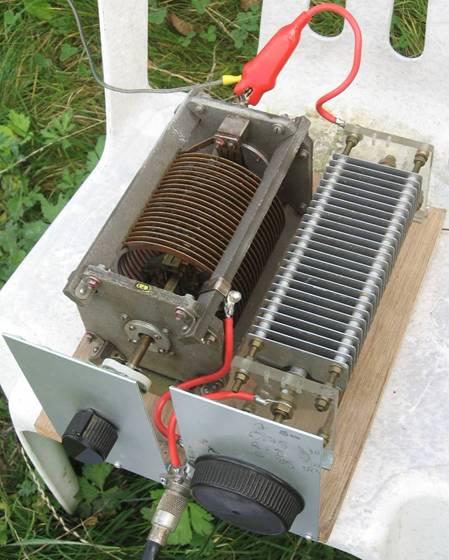
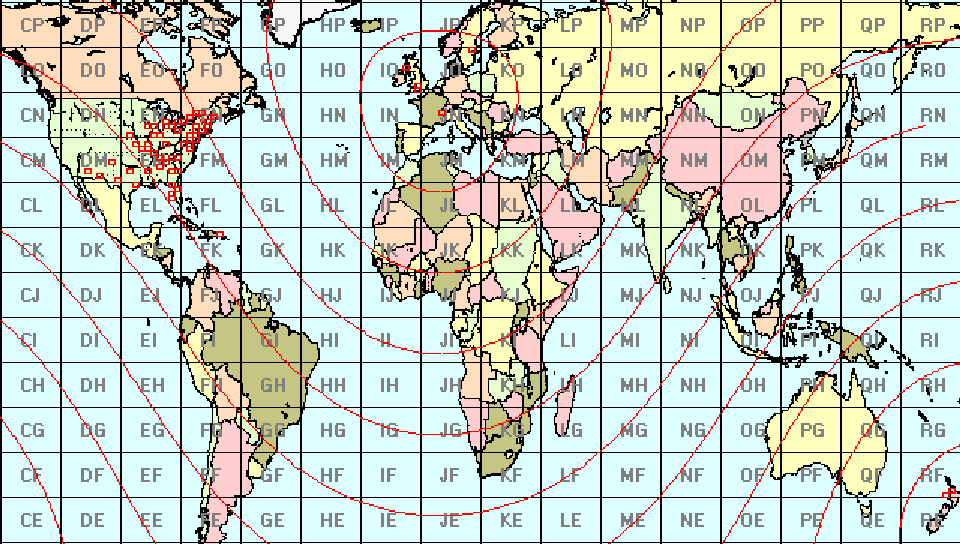
This weekend I participated to the propNet 30m weekend, a 30m propagation study. For more details on the propNet project, you may follow this link or this one
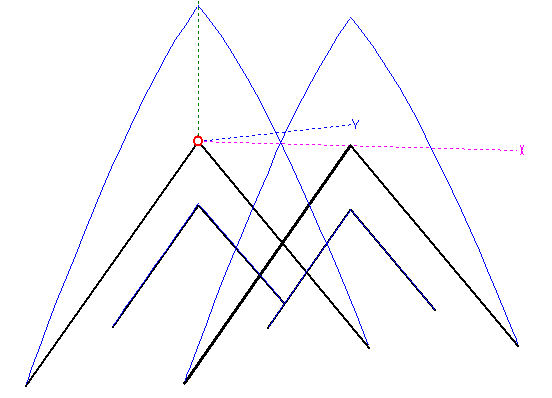 After testing the concept last year in the ARRL-DX from home (see http://f6irf.blogspot.com/2006/02/low-cost-2-elements-for-40m.html ) I designed a new antenna, especialy for the ARRL-DX from CN2WW. The terrasse dimensions, limiting us to 8m spacing, I used a director rather than the classical reflector. The drawing shows the 2 beams (40 and 80) using the same supports. Obviously with a such a reduced spacing (0.1 wl), the antenna cannot be designed for z=50 while giving satisfactory performances, but using a UNUN provides a perfect and broadband match, with very low losses (The steppIR uses the same type of broadband matching device). The multi-UNUN based on a W2FMI design and commercialized by CWSbytemark ( http://www.cwsbytemark.com/ ) offers an easy and flexible solution. A second unit allowed the 40 beam to be designed for max gain, with impedance around 36 ohms. The only difference is that the 40m UNUN was placed after a 1/2wl of cable, and not directly at the feed point ( the 40m dipole being on a fiber mast). The following graphs show the performances of the 80m aerial.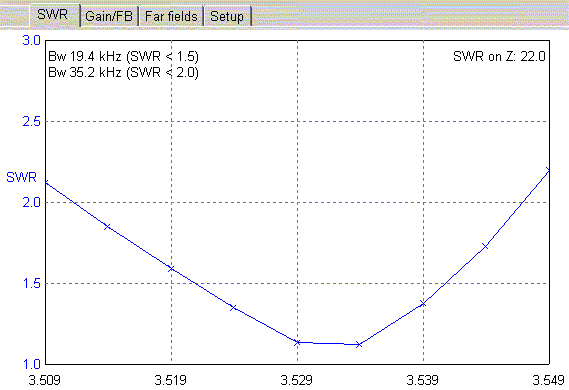
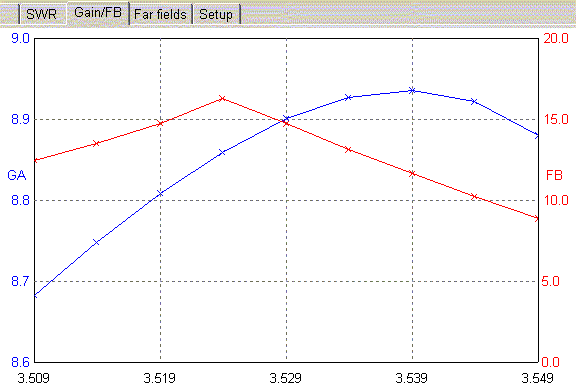
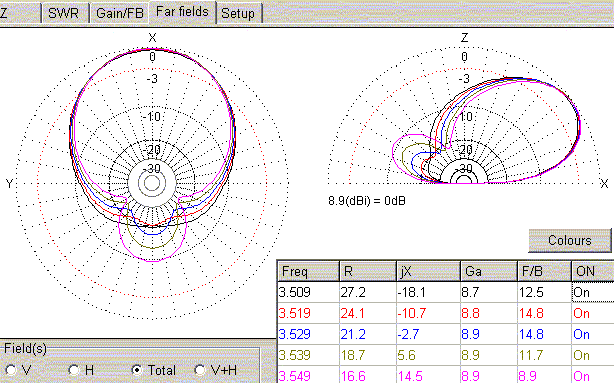 The bandwith was the main concern, but as shown by the graphs most of CW-contest band is usable with SWR below 2. Although I have full confidence in computer simulation, the results obtained with this aerial during the ARRL-DX really surprised me. see http://lists.contesting.com/archives//html/3830/2007-02/msg01551.html ). I believe that on top o f the 3.5dBd gain its main quality has been to protect us from the heavy EU-QRM.
 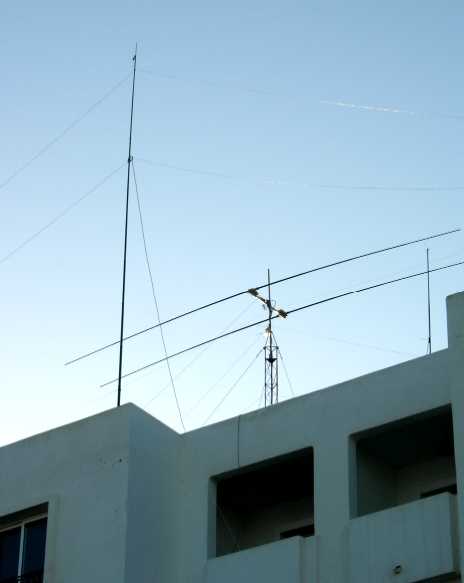 View of the aerials installed at CN2WW, the fiber mast supports the 40m dipole and the 80m director while the tower supports the 40m reflector and the 80m dipole.
  Today I have uploaded the 100,000 QSO, since march 2002 to LOTW. Those include QSO's done with F6IRF, F6IRF/P, TM6A, IS0/F6IRF, FG/F6IRF, UT/F6IRF/P and CN2WW callsigns.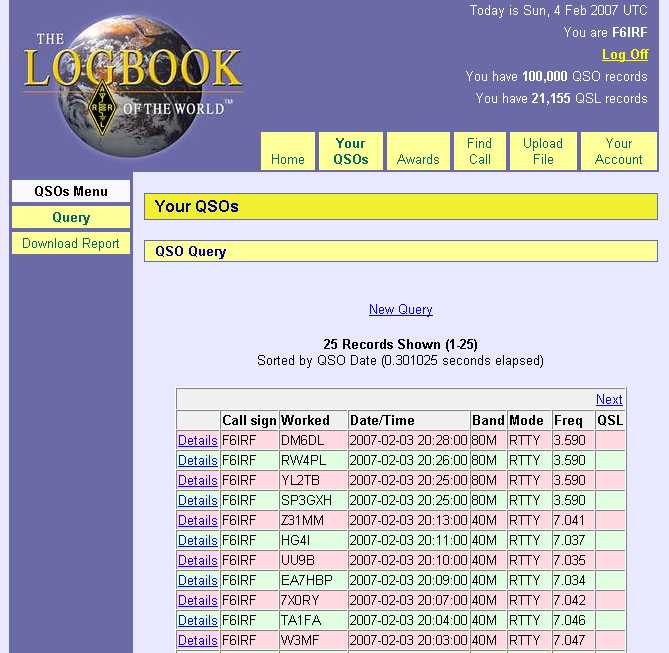

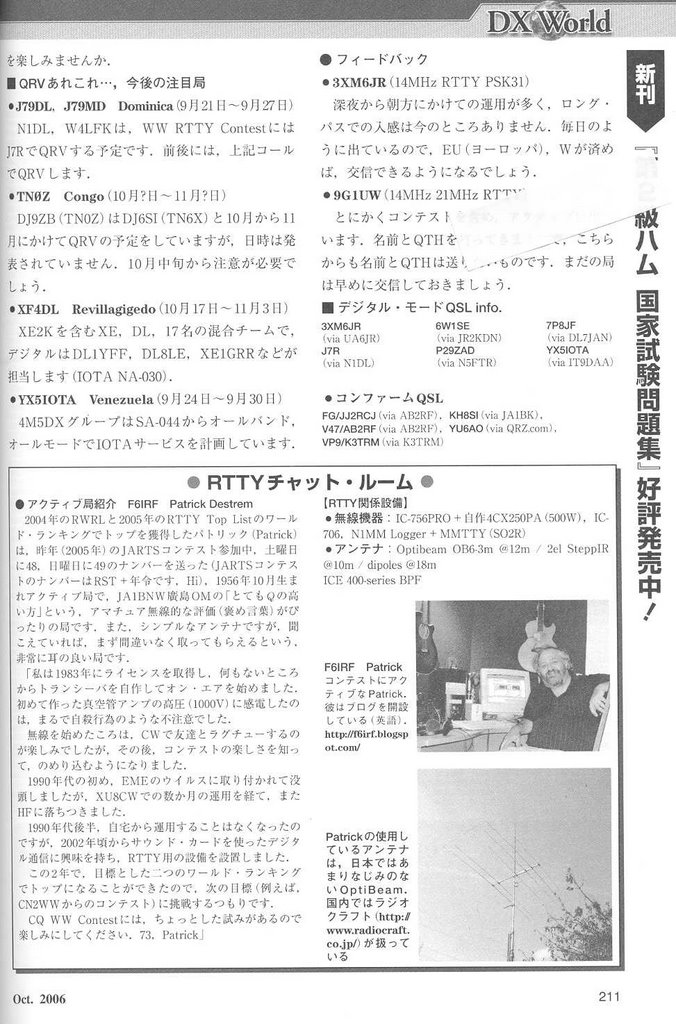
 Stew Perry Topband Challenge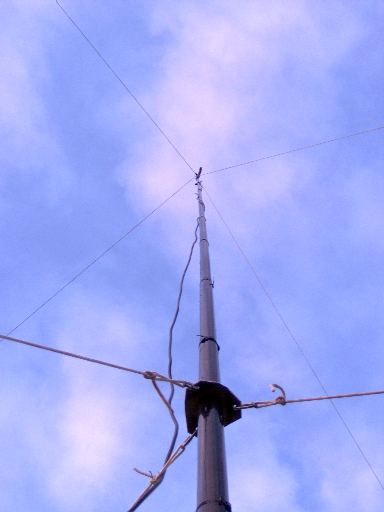
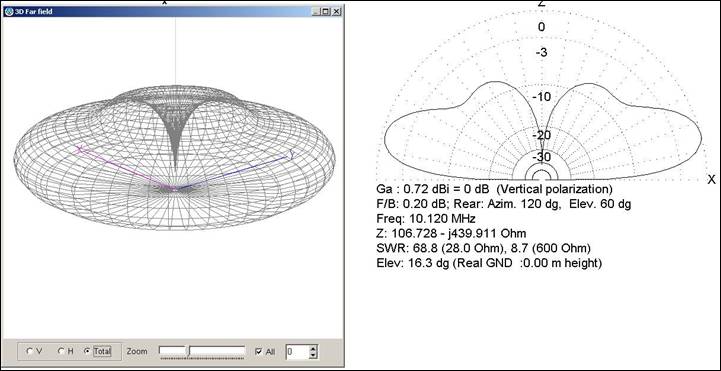
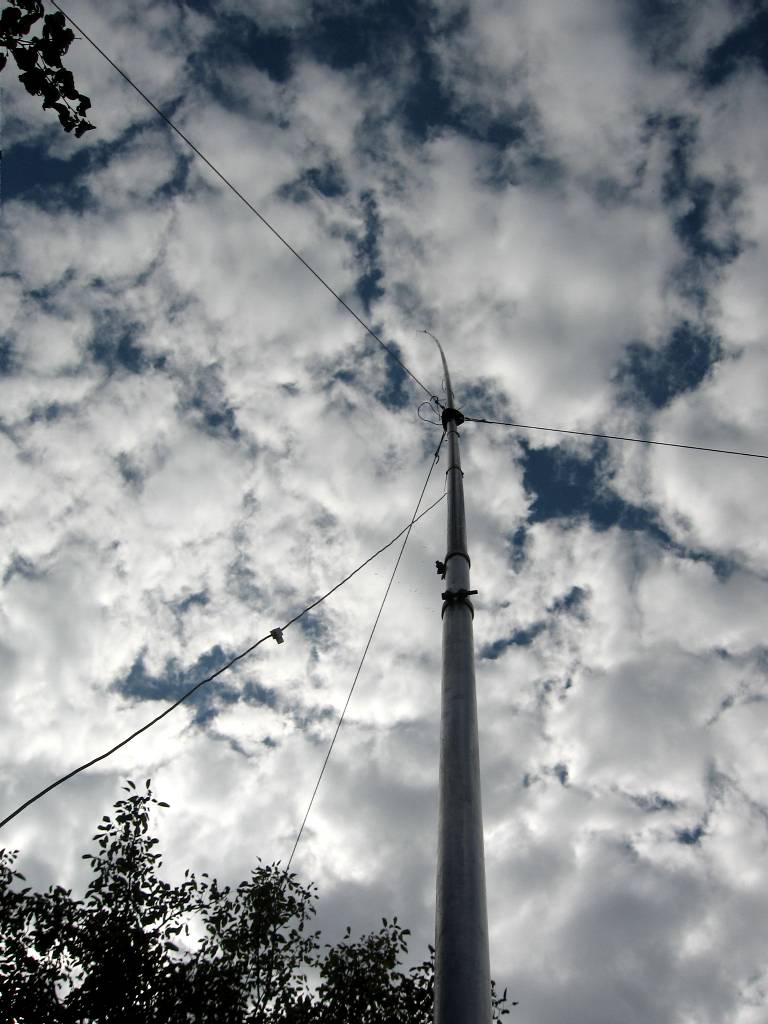
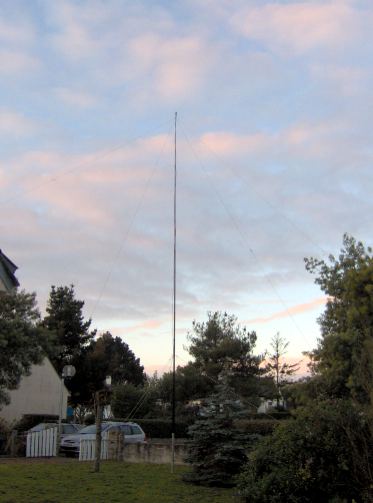
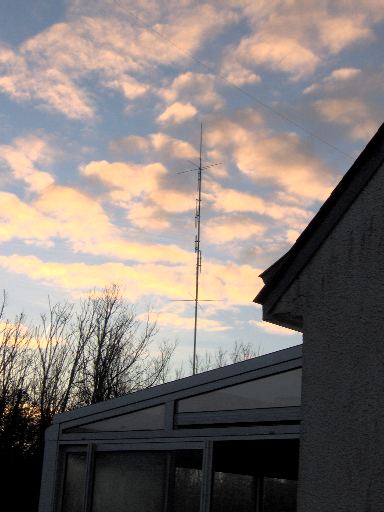 Above, the mast, also supporting a 30m dipole, and here the R7 antenna
I have been active all week, mostly on 160, 30 and 17m both in CW and digital modes... CN2DX on 160m, recorded fm F6IRF/P (CW and SSB)

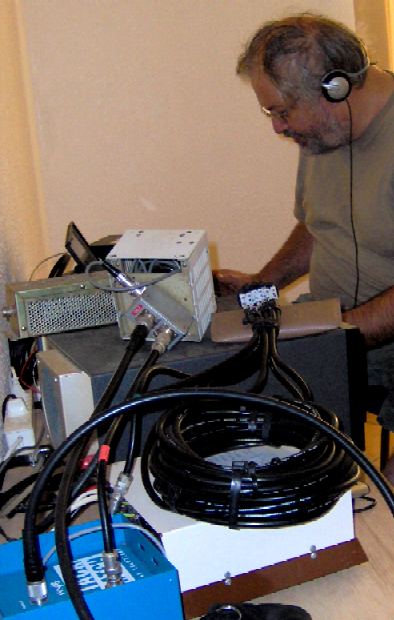

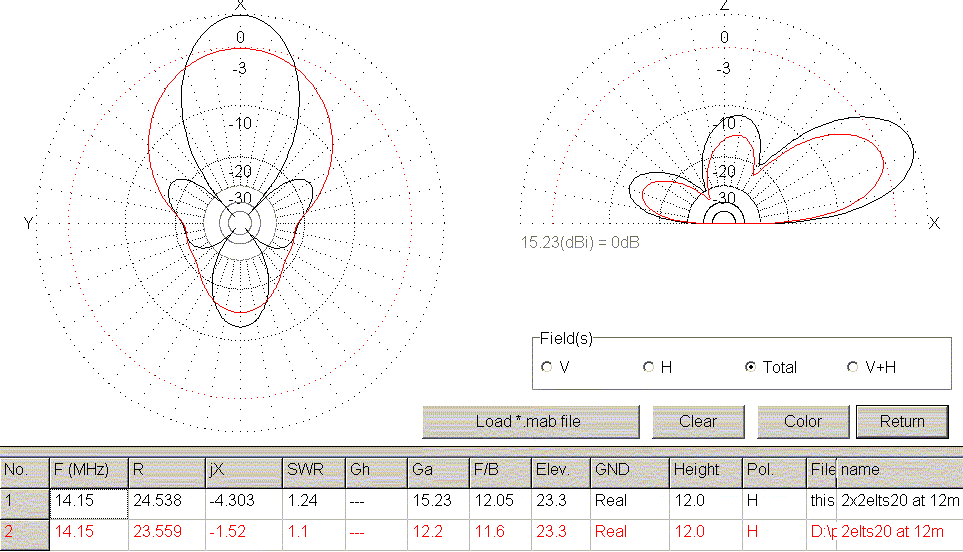 Click on images to enlarge them. Here, the 2 antennas are at 12m agl, in the same plane, perpendicular to the desired direction, spaced by 0.8wl and fed in phase (I.E. identical antennas with equal lengths of coax cable). In red is the pattern of 1 antenna, in black the pattern of the stack. The gain of the stack is 3dB compaired to a single antenna, but the pattern becomes quite narrow.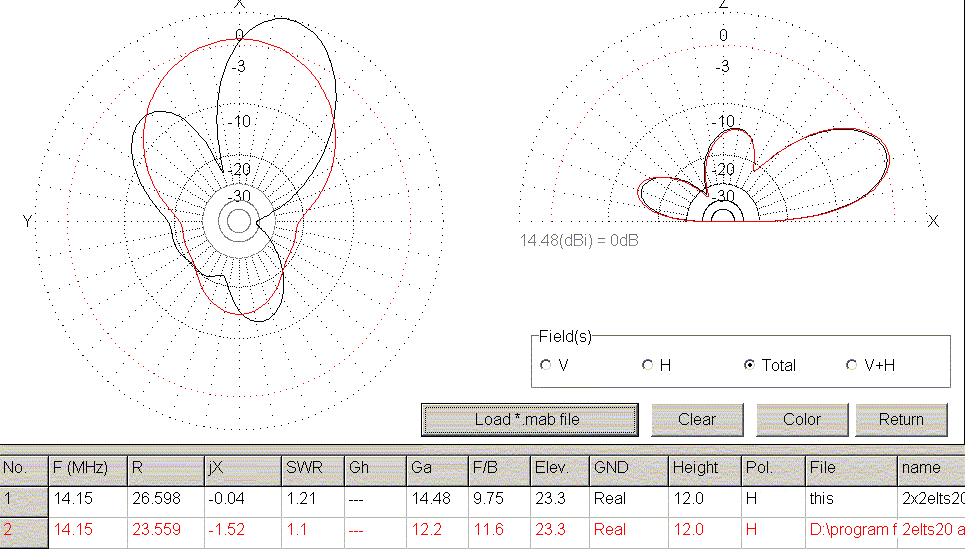
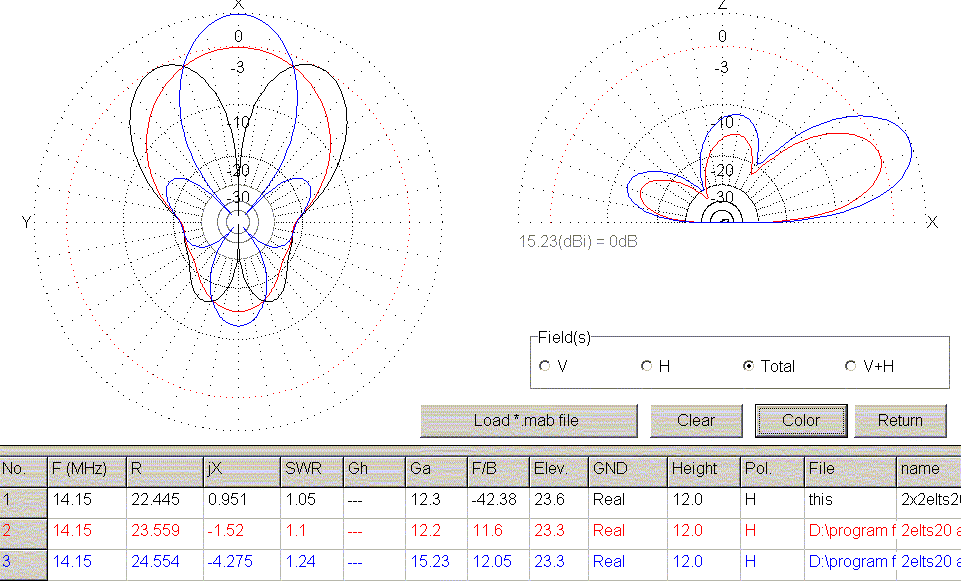
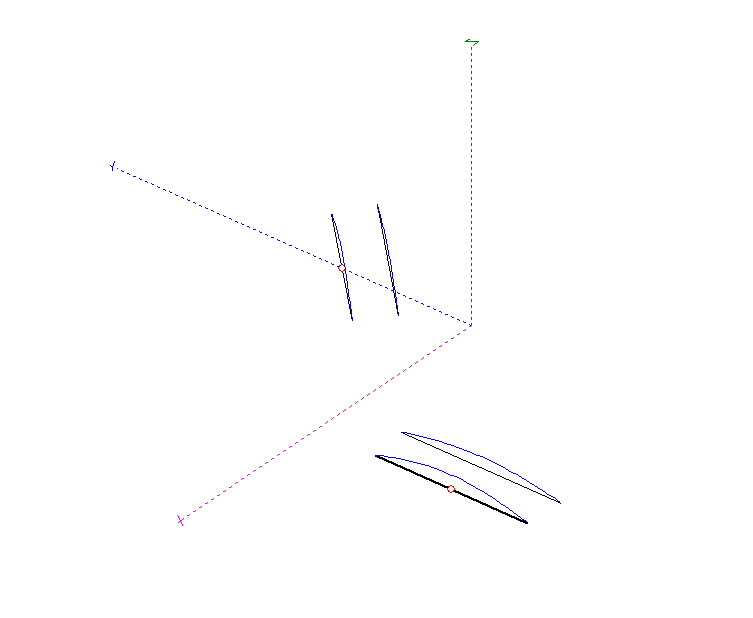

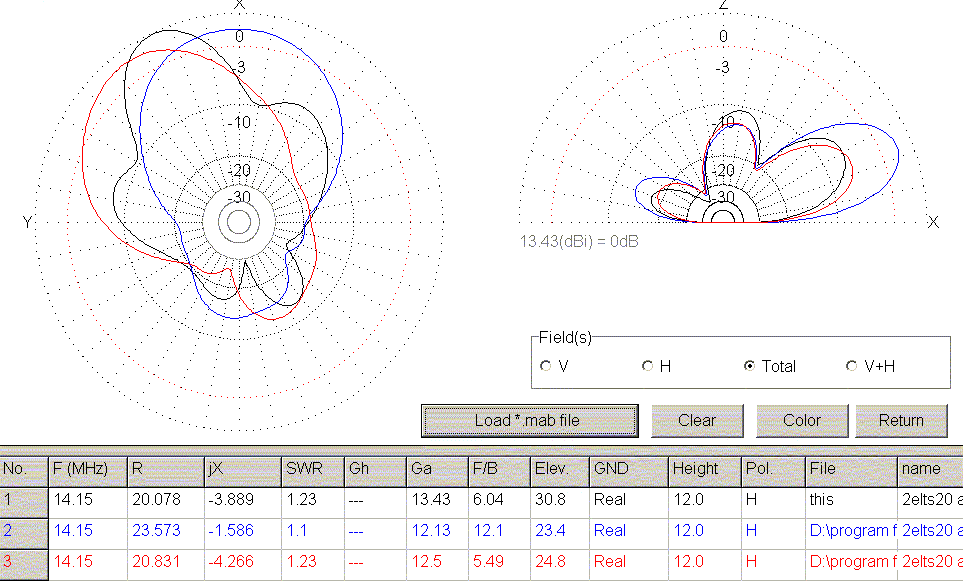

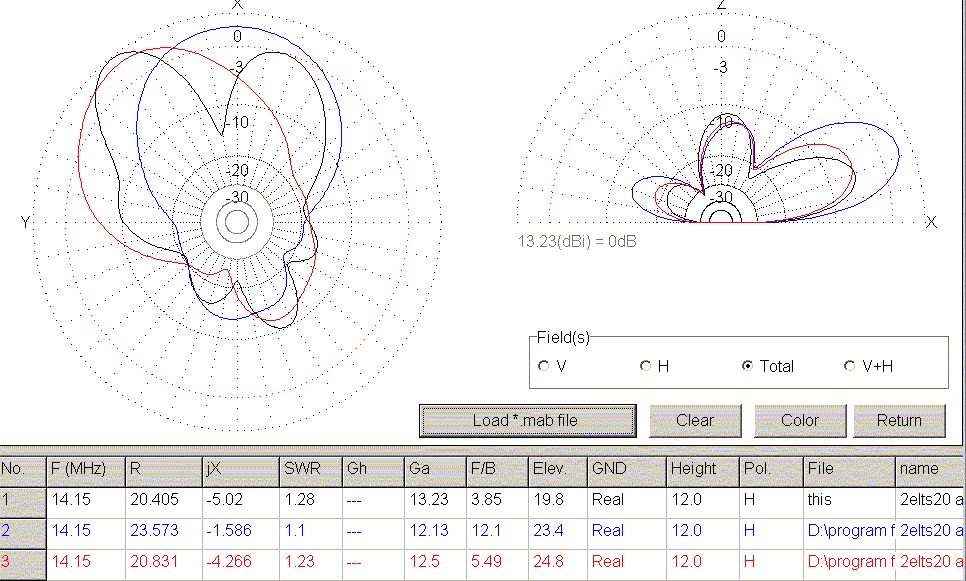
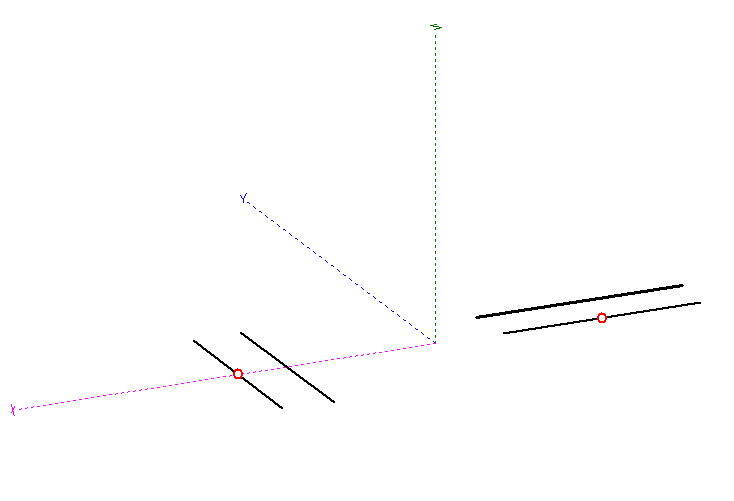
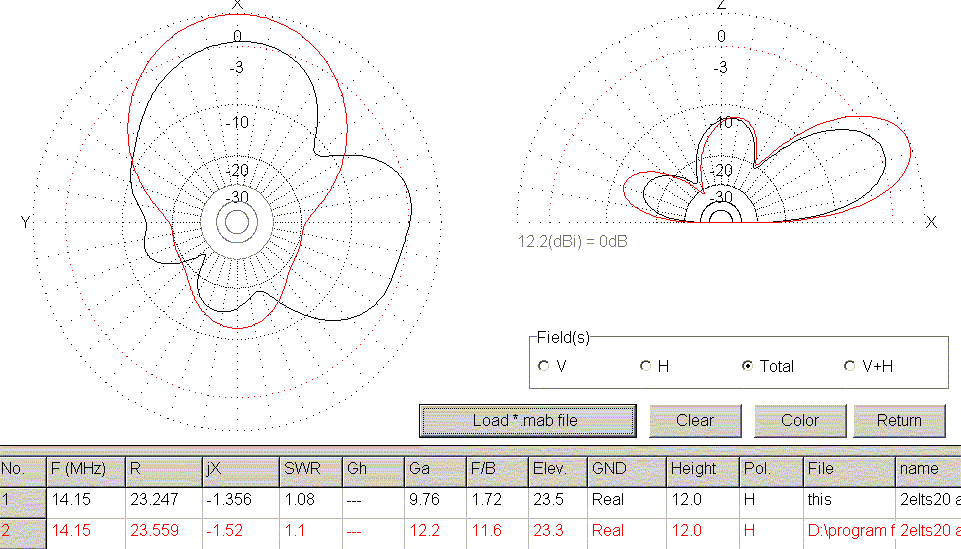

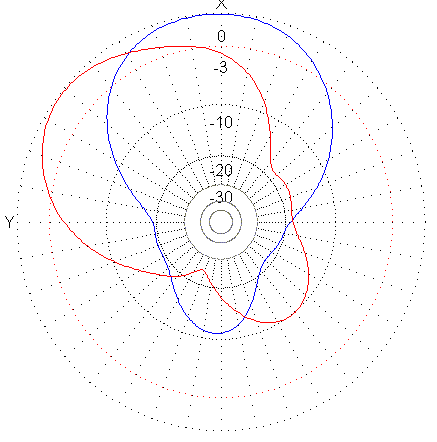
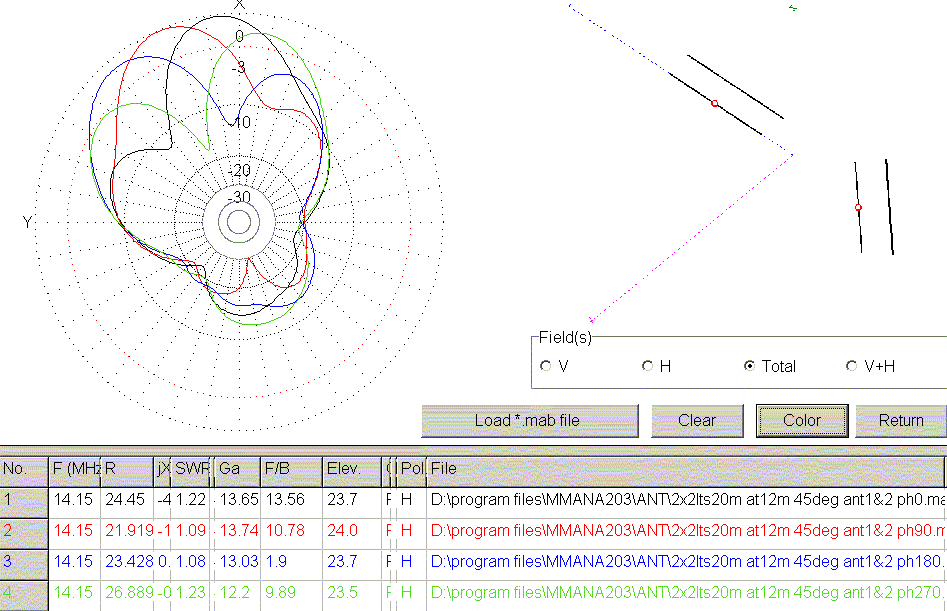
 Comments : This system was built-up for 20m band, however, it is also usable on 15 and 10 (with 90 degrees step on 10 and something in between on 15). It is also usable on 40 but then the phase limit is 315/2=157.5 degrees. Of course it is possible to add lines and switches if you are interested by multiband capability, but the spacing of the antennas will have to be somehow "compromised", especialy if you are looking for "extra gain"(as shown in example 1). All simulations have been done using MMANA203 by JE3HHT and can be verified using NEC2 engine for MMANA by UA3AVR (allows MMANA antenna files to be converted to NEC2 files).
 .jpg)